

Insights, Tips, and Industry Updates

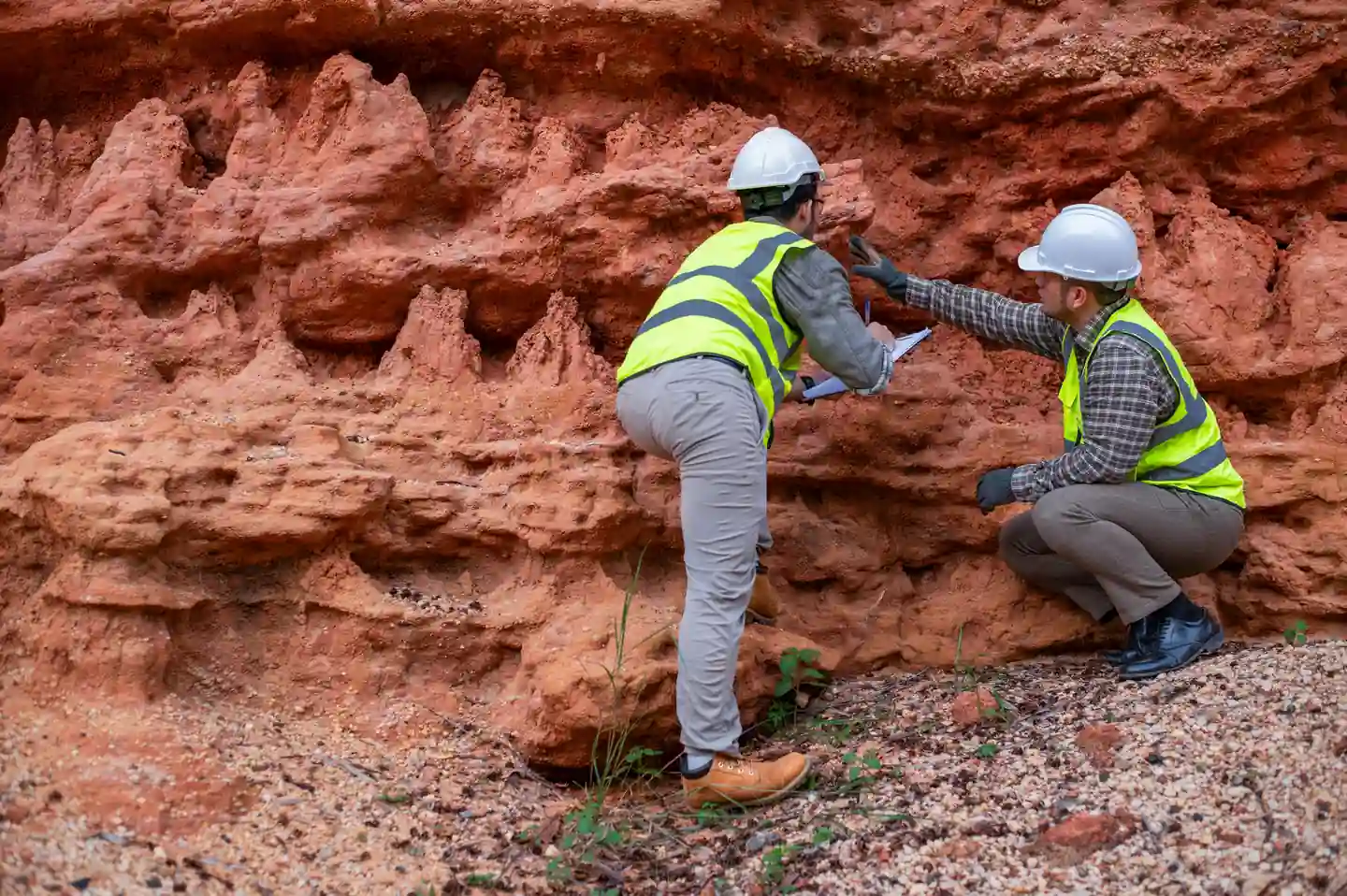
How Soil Conditions Influence Vapor Intrusion Risk: A Technical Overview

The underlying soil conditions at a site are a primary determinant of vapor intrusion risk, directly influencing the migration pathways and rates of volatile organic compounds (VOCs) from subsurface sources into overlying structures. Effective mitigation design hinges on a precise understanding of these geological and hydrological characteristics, as they dictate

Read More »

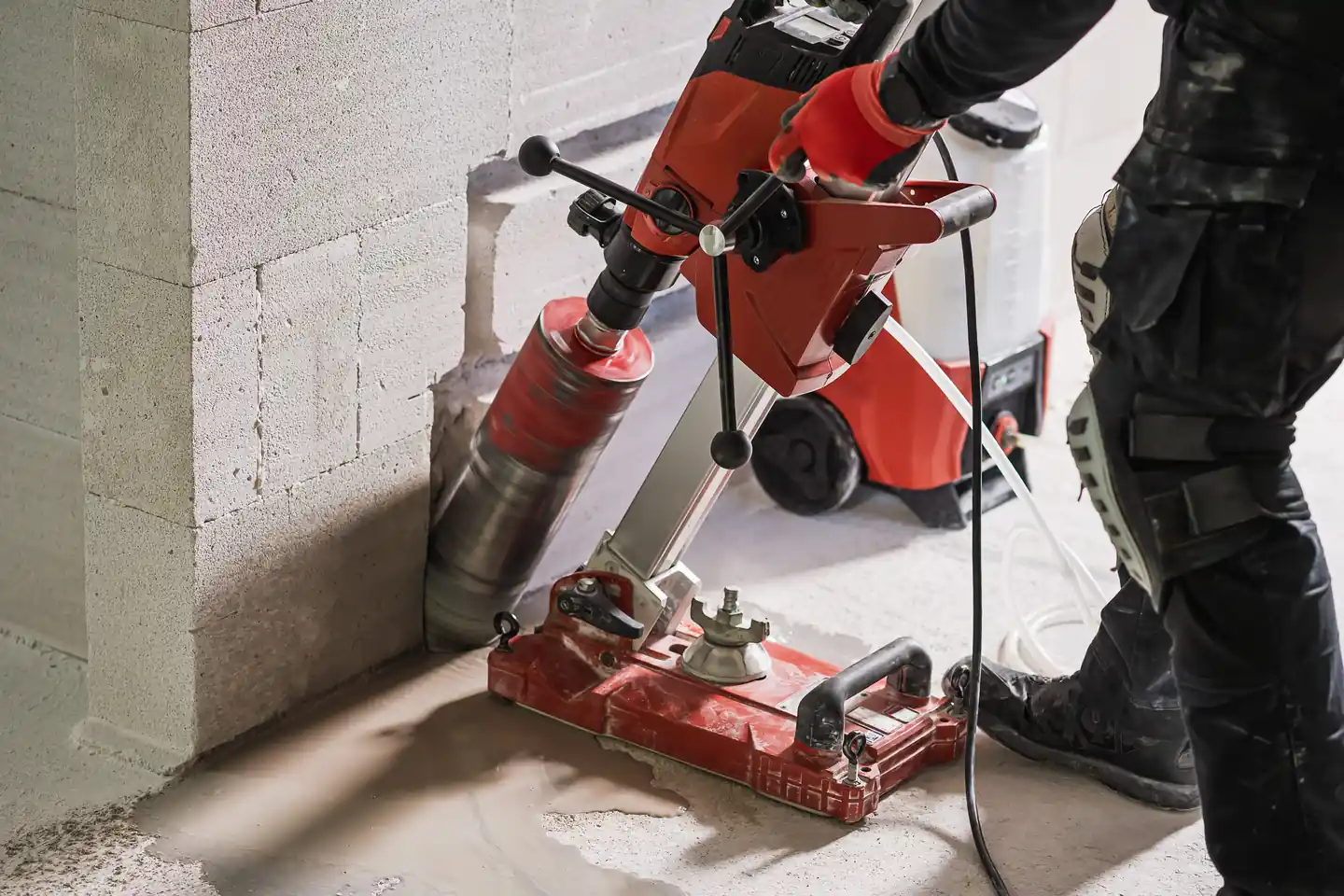
Navigating Retrofit Vapor Intrusion Challenges in Existing Structures

Retrofit projects, by their very nature, introduce a distinct set of vapor intrusion challenges compared to new construction. While new builds allow for proactive, integrated mitigation strategies from the ground up, existing structures present complexities such as inaccessible substructures, unknown building histories, and operational constraints. Effectively addressing these retrofit vapor

Read More »

Optimizing Your Construction Schedule for Seamless Vapor Intrusion Mitigation

Effectively integrating vapor intrusion mitigation into a construction schedule is not merely a regulatory checkbox; it’s a critical path item demanding precision engineering and proactive planning. For general contractors and project managers, understanding the proper sequencing of testing, design, and installation is paramount to avoiding costly delays and ensuring timely

Read More »

Methane Mitigation in Urban Redevelopment: Navigating Subsurface Risks

Urban redevelopment projects frequently encounter subsurface methane gas, posing significant safety and environmental challenges. Effective methane mitigation in urban redevelopment is not merely a regulatory necessity but a critical engineering discipline, requiring a comprehensive understanding of gas origins, migration pathways, and robust, PE-stamped solutions to ensure the long-term safety and

Read More »

Navigating the Evolving Landscape: Methane and Vapor Intrusion Regulatory Updates Across the Western U.S.

The dynamic regulatory environment governing methane and vapor intrusion standards across the Western U.S. presents both challenges and opportunities for developers, consultants, and compliance teams. Staying abreast of these shifts is critical for project viability and ensuring public health and safety. This methane vapor intrusion regulatory update summarizes key regional

Read More »

Emerging Gas & Vapor Mitigation Technologies: What’s Next in 2026?

The landscape of environmental mitigation is continuously evolving, driven by scientific advancements and increasingly stringent regulatory demands. By 2026, emerging gas vapor mitigation technologies will fundamentally reshape how we approach subsurface contaminant management, emphasizing real-time data integration, advanced material science, and predictive analytics to achieve unparalleled protection. These innovations are

Read More »