


Insights, Tips, and Industry Updates

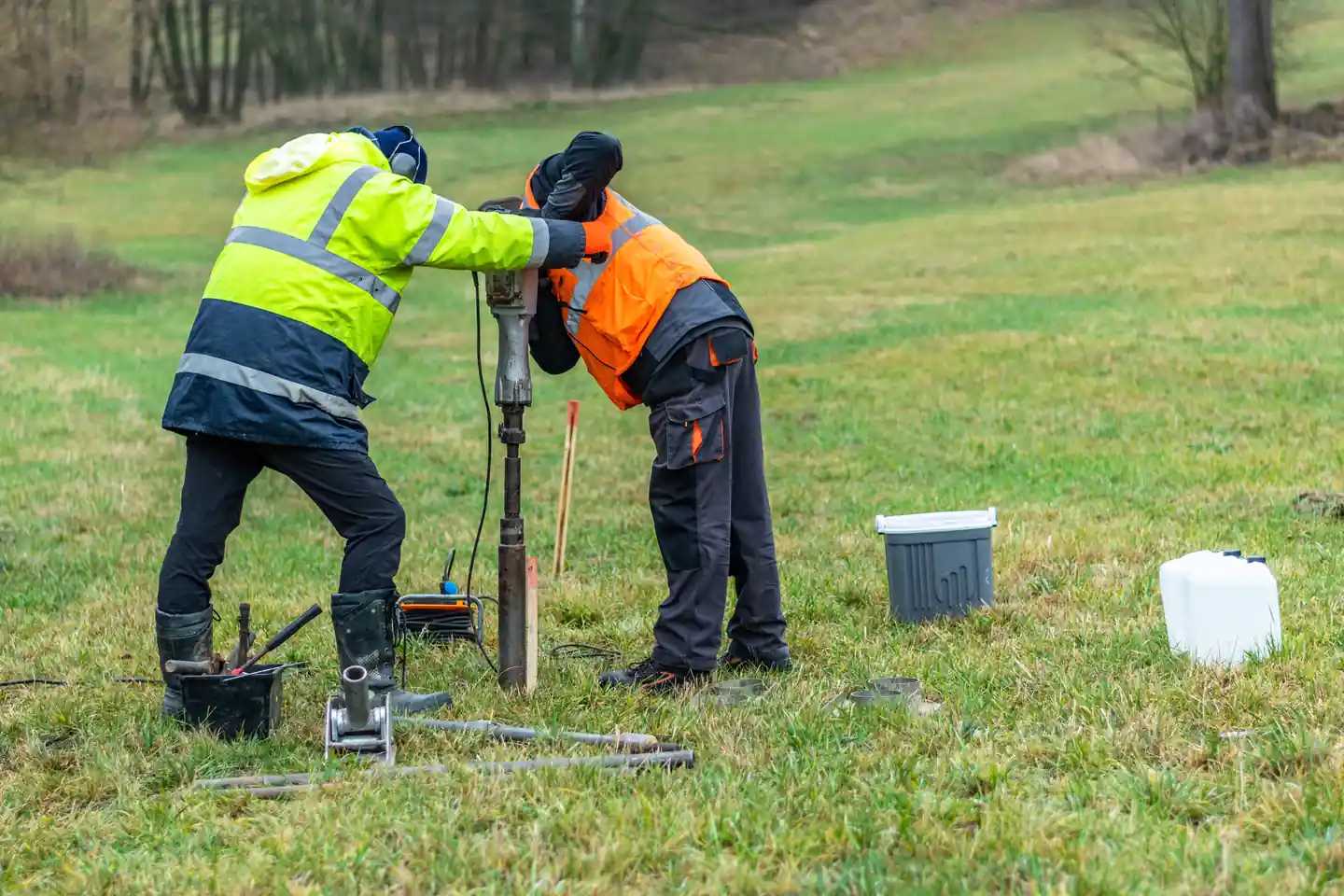
Is Radon a Problem in California? Risk Areas, Maps & Industry Data

While California is often associated with seismic activity and vapor intrusion from legacy industrial sites, radon gas represents a significant, often overlooked geogenic hazard. Radon in California is a problem that requires a data-driven approach, particularly in high-risk zones where geological formations facilitate the migration of radioactive soil gas into

Read More »

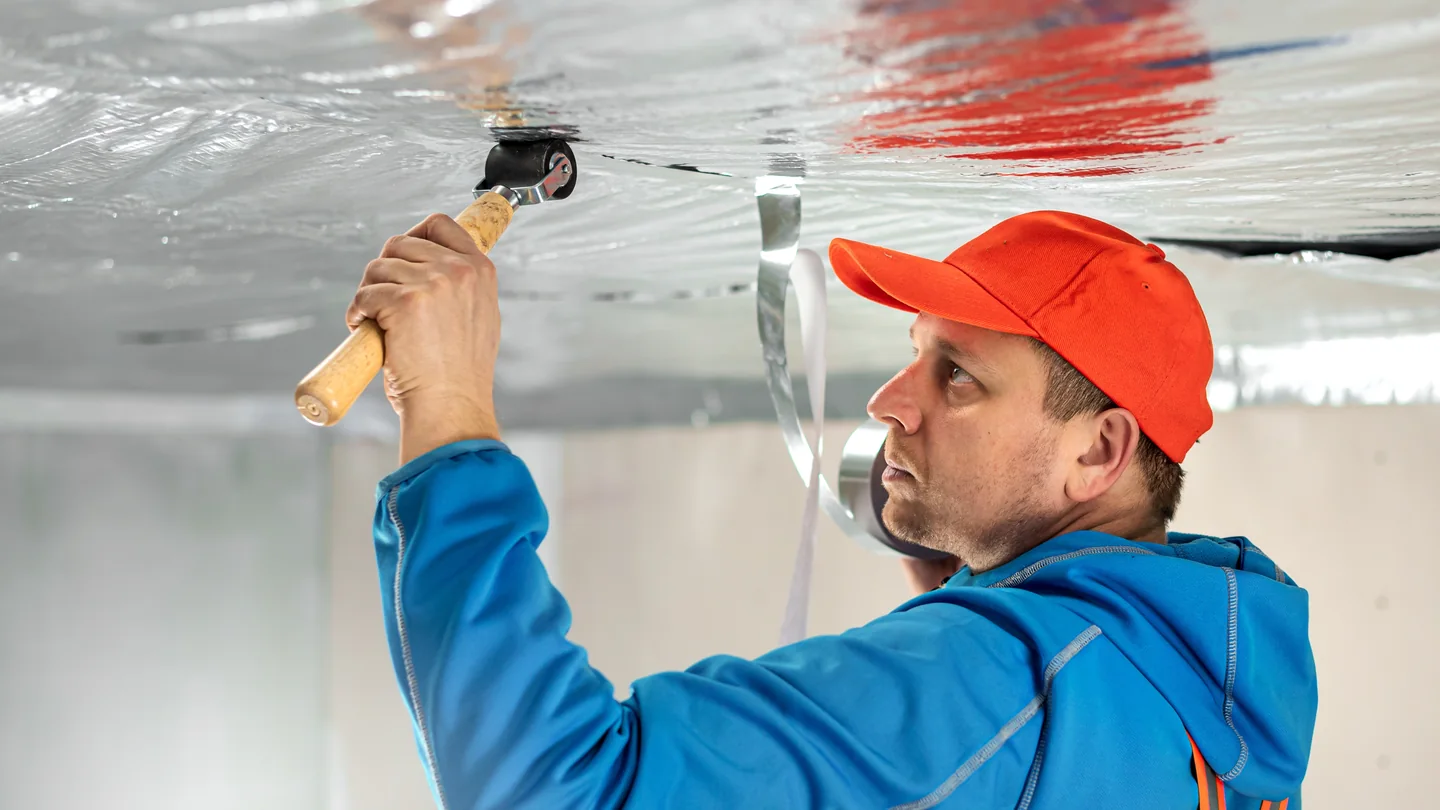
High Radon Levels in Commercial Buildings: Causes, Risks, and Solutions

High radon levels in commercial buildings are primarily caused by the “stack effect” and pressure differentials that draw soil gases through foundation cracks, utility penetrations, and expansion joints. Unlike residential structures, commercial facilities often feature complex HVAC systems and larger footprints that can exacerbate the accumulation of this colorless, odorless

Read More »

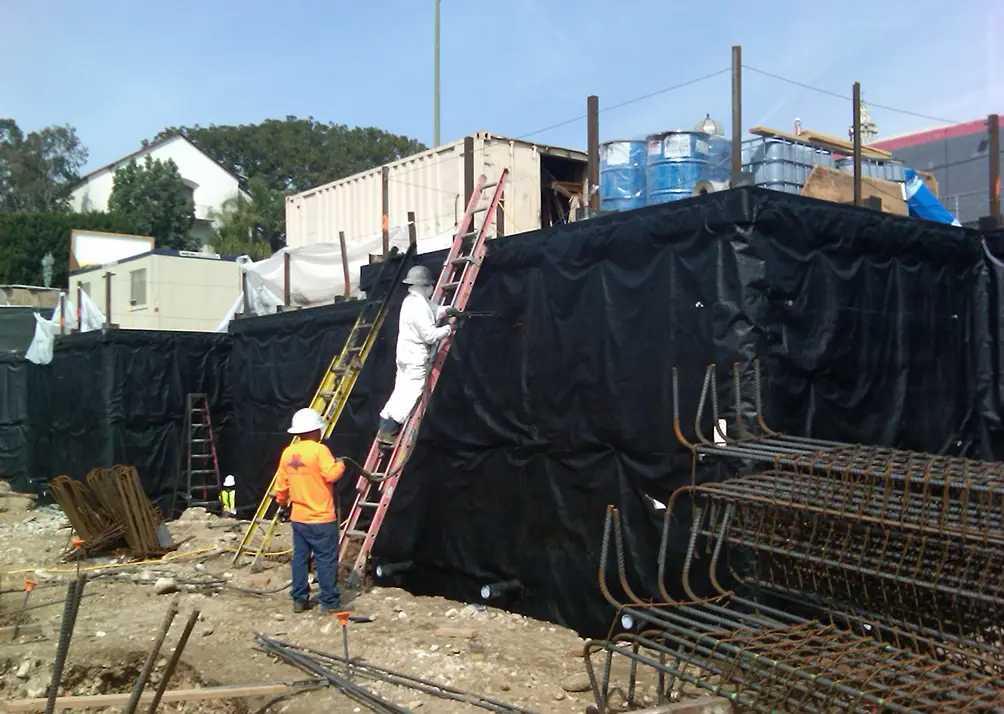
Elevator Pit, Tunnel & Retaining Wall Waterproofing: Specialty Applications

Effective waterproofing for sub-grade structures requires a shift from standard moisture protection to precision-engineered hydrostatic pressure management. For specialty applications like elevator pits, tunnels, and retaining walls, success is defined by the integration of high-performance membranes with structural engineering principles. These confined or high-stress environments demand solutions that go beyond

Read More »

Common Causes of Below-Grade Moisture Problems and How to Fix Them

Below-grade moisture problems are typically caused by a combination of hydrostatic pressure, inadequate site drainage, and compromised building envelopes. When groundwater levels rise or surface runoff is improperly managed, water exerts physical pressure against foundation walls, seeking any path of least resistance—including microscopic pores in concrete or structural cold joints.

Read More »