
In below-grade construction, the effectiveness of a moisture management strategy depends entirely on the direction of hydrostatic pressure. Positive side waterproofing is widely considered the industry gold standard because it addresses water pressure at the source—the exterior face of the structure—preventing moisture from ever entering the substrate. While negative-side systems offer utility in remediation and specific interior applications, they allow the substrate to remain saturated. For specifiers and engineers, the choice between these systems is a matter of balancing structural longevity, site accessibility, and long-term maintenance requirements.
Engineering the Barrier: Understanding Positive Side Waterproofing
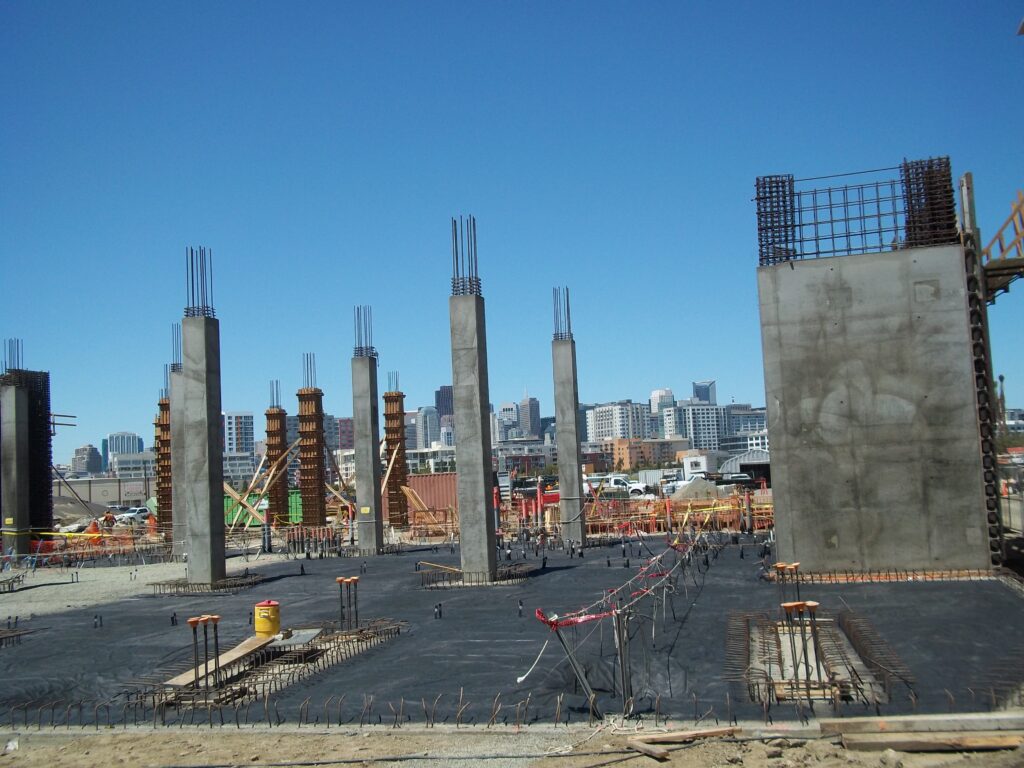
Positive side waterproofing involves applying a below-grade waterproofing membrane to the exterior surface of a foundation or structural wall. This placement ensures that hydrostatic pressure from groundwater actually presses the membrane tighter against the substrate, creating a comprehensive seal that protects both the interior space and the structural integrity of the concrete itself.
The Technical Advantages of Exterior Application
Applying a barrier to the exterior face offers several engineering advantages:
- Substrate Protection: By diverting water before it enters the concrete, positive side systems prevent freeze-thaw damage and the corrosion of internal steel reinforcement (rebar).
- Visual Verification: During the construction phase, the integrity of the membrane can be inspected and tested before backfilling occurs.
- Comprehensive Coverage: It allows for seamless integration with footer drains and sub-slab moisture barriers, creating a “monolithic” envelope around the building.
Material Specifications
Modern positive side systems often utilize high-performance materials such as polymer-modified bitumens, HDPE (High-Density Polyethylene) liners, or fluid-applied membranes. The selection depends on soil chemistry, the presence of contaminants, and the anticipated hydrostatic load. PE-stamped designs typically prioritize high puncture resistance and elongation properties to accommodate minor structural settling without compromising the seal.
The Role of Negative Side Waterproofing
Negative side waterproofing is applied to the interior face of a structure—the side opposite the water pressure. While it is often easier to install in existing buildings or where excavation is impossible, it carries a significant technical caveat: it does not prevent water from entering the substrate.
Applications and Constraints
Negative side systems are primarily composed of cementitious coatings or crystalline admixtures. When moisture enters the concrete, these crystalline technologies react to form insoluble fibers that plug pores and micro-cracks.
- Best Use Cases: This approach is frequently specified for elevator pits, basement retrofits, or “blind-side” applications where neighboring property lines prevent exterior access.
- The Risk Factor: Because the concrete remains saturated, there is a heightened risk of efflorescence (salt deposits) and the potential for the coating to delaminate if hydrostatic pressure exceeds the bond strength of the material.
Comparative Performance Analysis: A Technical Breakdown
When evaluating which system works best, engineers must weigh the lifecycle costs against the initial installation complexity.
| Feature | Positive Side Waterproofing | Negative Side Waterproofing |
|---|---|---|
| Primary Goal | Stop water before it enters the structure. | Stop water from entering the interior space. |
| Structural Impact | Protects concrete and rebar from corrosion. | Concrete remains wet; potential for long-term degradation. |
| Accessibility | Requires exterior access/excavation. | Applied from the interior; no excavation needed. |
| Maintenance | Difficult to repair after backfilling. | Easily accessible for inspection and repair. |
| Hydrostatic Pressure | Works with the pressure to seal the bond. | Works against the pressure; risks delamination. |
Hydrostatic Pressure Dynamics
In a positive side application, the weight of the groundwater acts as a functional asset, forcing the membrane against the wall. Conversely, in negative side applications, the water pressure acts as a wedge, attempting to “push” the waterproofing off the wall. This makes the bond strength of negative-side materials the most critical failure point in the design.
Specifying the Right Below-Grade Waterproofing Membrane
For new construction, the industry consensus favors a positive-side below-grade waterproofing membrane. However, “best” is a relative term dictated by site-specific variables.
- Soil Conditions: High water tables or expansive soils require the robust protection of a positive-side fluid-applied or sheet membrane.
- Building Proximity: In dense urban environments where “zero-lot-line” construction is required, a specialized version of positive-side waterproofing known as “blind-side” waterproofing is used. Here, the membrane is fastened to the shoring before the concrete is poured.
- Chemical Resistance: If the site is a brownfield or contains contaminated groundwater, the membrane must be engineered for chemical vapor intrusion (CVI) protection in addition to moisture management.
Precision-Engineered Solutions for Complex Sites
The transition from design to implementation requires more than just high-quality materials; it requires a data-driven understanding of the site’s hydrogeology and regulatory landscape. In regions with stringent building codes, such as California or high-density East Coast corridors, the integration of waterproofing with gas vapor mitigation is often a regulatory necessity.
Advanced Construction Technologies (ACT) provides the engineering oversight and technical precision required to execute these complex envelopes. By utilizing PE-stamped designs and a deep understanding of ASTM testing standards, industry experts ensure that the transition between positive-side membranes and sub-slab systems remains airtight and water-tight. Whether navigating the complexities of a brownfield redevelopment or a deep-foundation commercial build, the goal remains the same: excellence through simplified, data-backed engineering.