Vapor Intrusion Mitigation and Monitoring Services in Albuquerque
How Vapor Intrusion Can Affect Albuquerque Properties
Vapor intrusion occurs when chemical vapors migrate from impacted soil or groundwater into indoor air. These gases often enter through cracks in foundations, slab openings, utility penetrations, sumps, or other pathways connected to the subsurface.
Common Vapor Sources in Albuquerque
A range of historic land uses and redevelopment conditions may contribute to vapor intrusion concerns in Albuquerque, such as:
Former industrial and manufacturing properties
Historic landfills and waste disposal sites
Former fuel stations, dry cleaners, and legacy commercial sites
Transportation, infrastructure, and mining-related impacts in redevelopment areas
These conditions can leave contaminants in soil or groundwater that release vapors capable of moving beneath buildings.
Contaminants Commonly Linked to Vapor Intrusion
Volatile organic compounds, often referred to as VOCs, are among the most frequent contaminants associated with vapor intrusion. Petroleum hydrocarbons and chlorinated solvents are common examples, especially on properties with past fuel storage, dry cleaning, manufacturing, or industrial uses.
When VOC vapors move into indoor environments, they may affect air quality and create long-term exposure concerns.
Health and Safety Considerations
Vapor intrusion can be a hazard at multiple stages of a project’s lifecycle. Workers may face exposure during excavation, renovation, utility work, or foundation laying on impacted sites. Once a building is occupied, unmanaged vapor migration can contribute to poor indoor air quality and potential long-term health concerns.
Because these risks can develop below the surface and are not always visible, proper testing and monitoring are essential.
Project and Stakeholder Impacts
On top of potential health concerns, late discovery of vapor intrusion concerns can force project teams to revisit design plans, add mitigation measures, or complete additional environmental review. Those changes may delay schedules, increase costs, and complicate financing, permitting, or property transactions.
Proactive vapor intrusion management helps developers, owners, and consultants reduce uncertainty while supporting regulatory compliance and community confidence.
When Vapor Intrusion Testing Is Needed in Albuquerque
Testing is often performed at multiple points in the project timeline, especially when development involves previously used or environmentally impacted land.
Before Construction
Vapor intrusion evaluation is commonly recommended during early due diligence for brownfield redevelopment sites, former industrial properties, legacy commercial parcels, and sites with known or suspected contamination. Identifying risk early allows mitigation planning to become part of the original design rather than a late-stage correction.
During Excavation and Foundation Activities
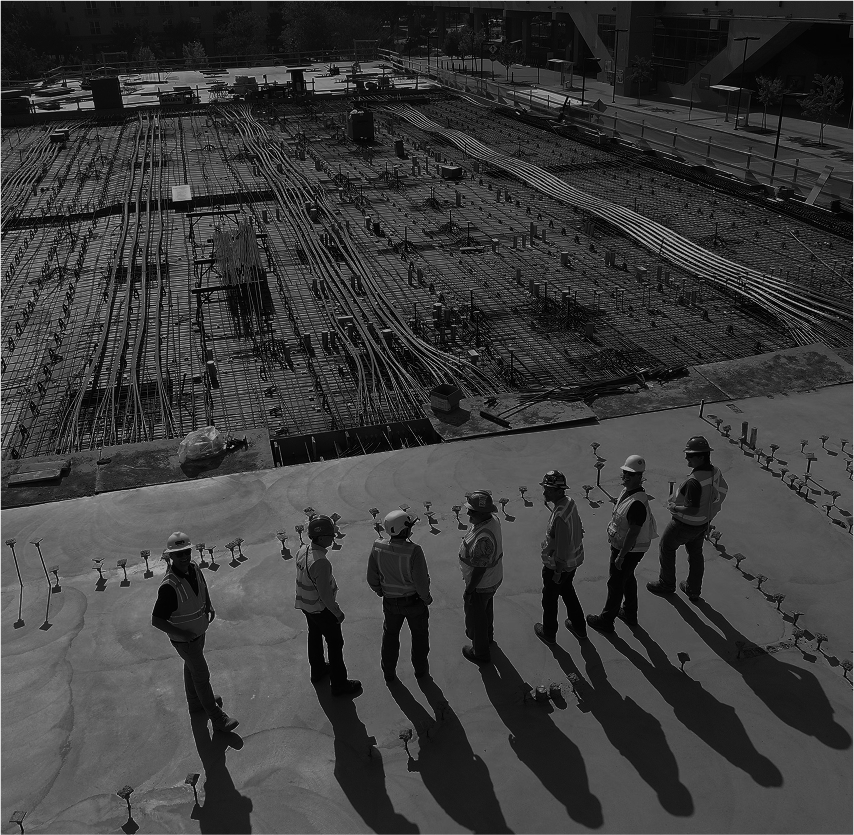
Soil disturbance can release trapped vapors or change how gases move beneath a site. Monitoring during grading, trenching, utility installation, and foundation work helps protect crews and gives project teams real-time insight into changing vapor conditions.
After Construction
Post-construction testing can confirm indoor air quality and verify that mitigation systems are performing as intended. This step is especially important before occupancy or when long-term monitoring is required.
Near Sensitive Areas
Additional evaluation may be appropriate when projects are located near schools, childcare facilities, healthcare campuses, residential neighborhoods, or mixed-use developments. These settings may warrant closer attention because vapor risks can affect vulnerable populations or high-occupancy environments.
Regulatory or Oversight Triggers
Permitting reviews, financing requirements, environmental site investigations, or regulatory oversight may all call for vapor intrusion testing. On Albuquerque projects, that process may involve the New Mexico Environment Department, local authorities, or federal environmental programs, depending on the site conditions.
Testing early gives project teams better information before key design, mitigation, and construction decisions are finalized.
Environments Where Vapor Risks Need Active Control
Vapor intrusion is a priority in buildings and project sites where indoor air quality, occupancy safety, and compliance requirements are central to long-term use. ACT supports Albuquerque-area locations where vapor mitigation is needed to control exposure risks and system performance requires documentation.
Project types we commonly assist with include:
Industrial and logistics facilities with known or suspected contamination
Commercial and residential redevelopment properties
Hospitality, entertainment, and mixed-use developments
Laboratory, pharmaceutical, and controlled-use facilities
Municipal, education, and healthcare buildings
ACT cooperates with developers, consultants, engineers, and construction teams to implement vapor mitigation strategies that meet both construction requirements and long-term building performance.
How Our Experts Can Assist You
Advanced Construction Technologies provides full-spectrum vapor intrusion services through an integrated design-build-monitor approach. Our objective is to identify vapor concerns early, implement site-specific controls, and help protect occupants, schedules, and compliance obligations.
Telemetry Monitoring
ACT can install telemetry systems that continuously monitor vapor levels in soil gas and indoor air. Live dashboards, automated notifications, and ongoing data capture help project teams track conditions during active construction and after the building is in use.
Environmental Site Assessments
ACT conducts site investigations to identify potential vapor intrusion concerns before construction or redevelopment proceeds. This work may include Phase I ESAs, Phase II investigations, and soil gas sampling to guide mitigation planning.
Custom Vapor Mitigation System Design
When testing identifies vapor concerns, ACT develops mitigation systems based on the property layout, subsurface conditions, and building design. Solutions may include vapor barrier membranes, sub-slab depressurization, passive venting, or active ventilation.
In Albuquerque, designs may need to account for dry regional soils, variable fill, aging utility corridors, construction sequencing, and redevelopment limitations that influence how vapors move and how systems are installed. Our knowledgeable team also installs systems designed to handle methane mitigation.
Regulatory Support
ACT assists with the compliance materials and agency coordination involved in vapor intrusion projects. Support may include local permitting, environmental documentation, reporting, regulator communication, and alignment with New Mexico Environment Department requirements or other forms of applicable federal guidance.
Long-Term Operations & Maintenance
Vapor mitigation systems require periodic review to confirm continued performance. ACT supports long-term operation through sensor calibration, inspections, performance checks, data organization, and reporting assistance. This ongoing support helps owners and facility teams document system performance while maintaining safer indoor conditions.
National Vapor Mitigation and Monitoring Experience
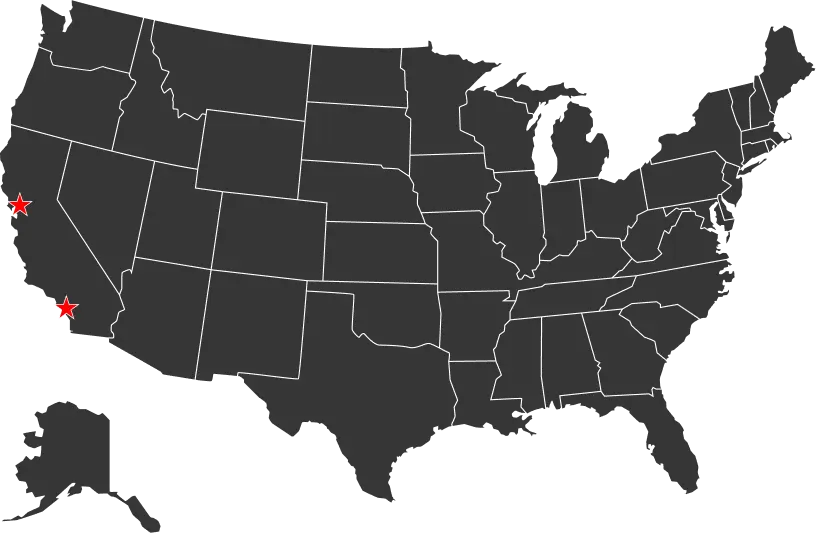
As a FullTerra company, ACT is connected to a nationwide environmental services platform with expertise in soil gas mitigation, vapor monitoring, and redevelopment support. This broader network gives us access to field experience from work performed in more than 25 states. Our team leverages this expertise in complex vapor intrusion projects, applying a variety of practical mitigation and monitoring techniques.
Supporting Albuquerque and Southwest Projects
ACT supports vapor intrusion monitoring and mitigation projects throughout Albuquerque, Bernalillo County, and nearby New Mexico communities. Our regional work also extends across the Southwest, including Arizona, Colorado, Utah, Nevada, and surrounding states.
We collaborate with developers, engineers, consultants, property owners, and facility managers on single-site developments and multi-state portfolios that require consistent vapor mitigation planning and monitoring.
Manage Vapor Intrusion Before It Affects Occupancy
Vapor intrusion can affect indoor air quality, regulatory approvals, construction schedules, and long-term property liability if left unaddressed. Building design, subsurface contamination, soil conditions, and utility pathways all influence how vapors move into structures.
ACT helps Albuquerque project teams evaluate these risks and implement mitigation systems designed to support compliance, safety, and long-term occupancy.