

Insights, Tips, and Industry Updates

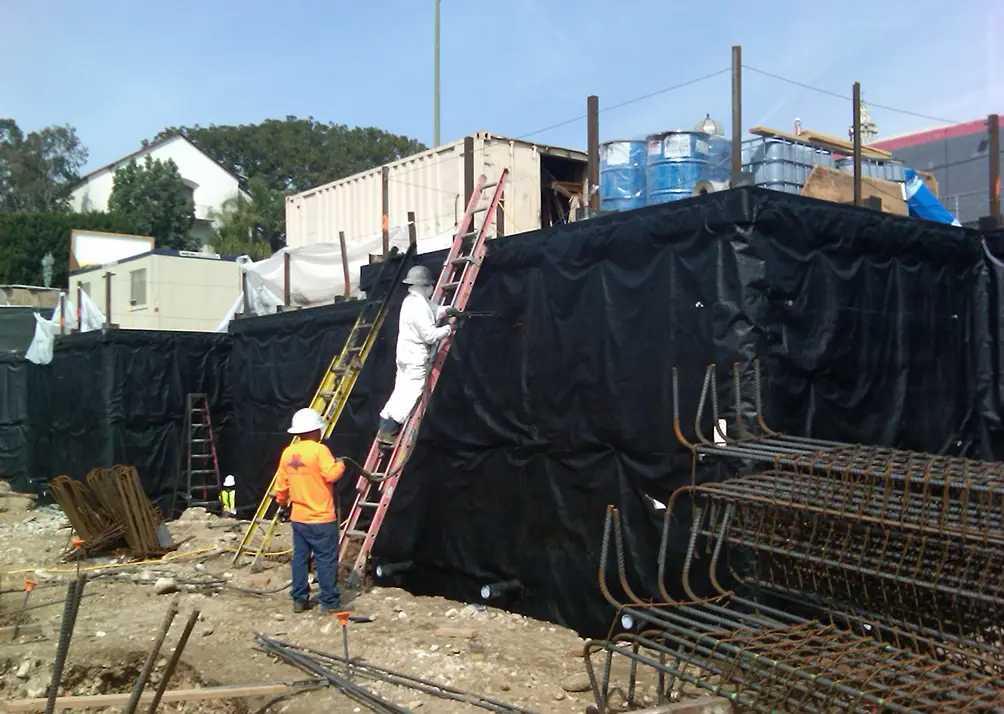
Elevator Pit, Tunnel & Retaining Wall Waterproofing: Specialty Applications

Effective waterproofing for sub-grade structures requires a shift from standard moisture protection to precision-engineered hydrostatic pressure management. For specialty applications like elevator pits, tunnels, and retaining walls, success is defined by the integration of high-performance membranes with structural engineering principles. These confined or high-stress environments demand solutions that go beyond

Read More »

Common Causes of Below-Grade Moisture Problems and How to Fix Them

Below-grade moisture problems are typically caused by a combination of hydrostatic pressure, inadequate site drainage, and compromised building envelopes. When groundwater levels rise or surface runoff is improperly managed, water exerts physical pressure against foundation walls, seeking any path of least resistance—including microscopic pores in concrete or structural cold joints.

Read More »

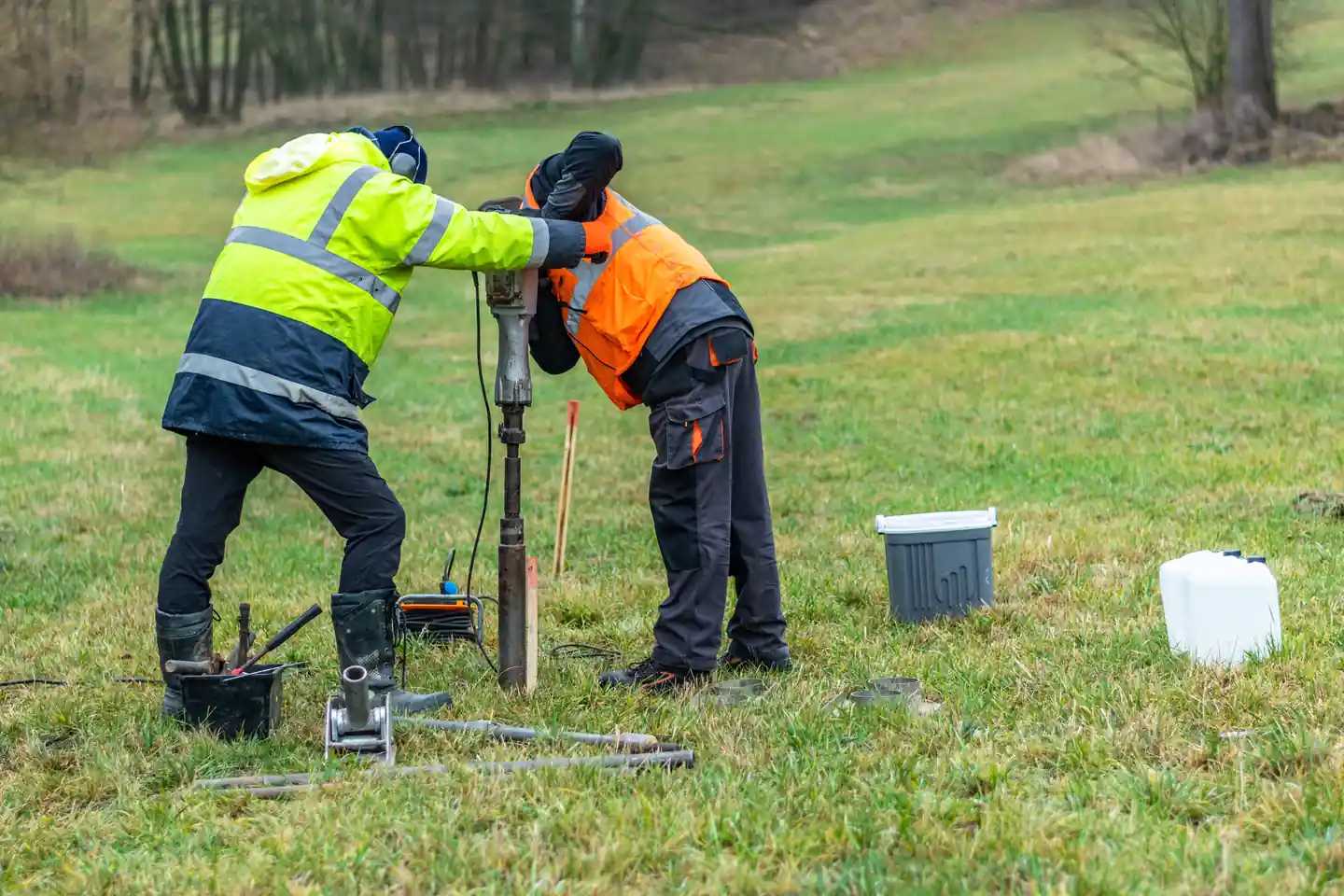
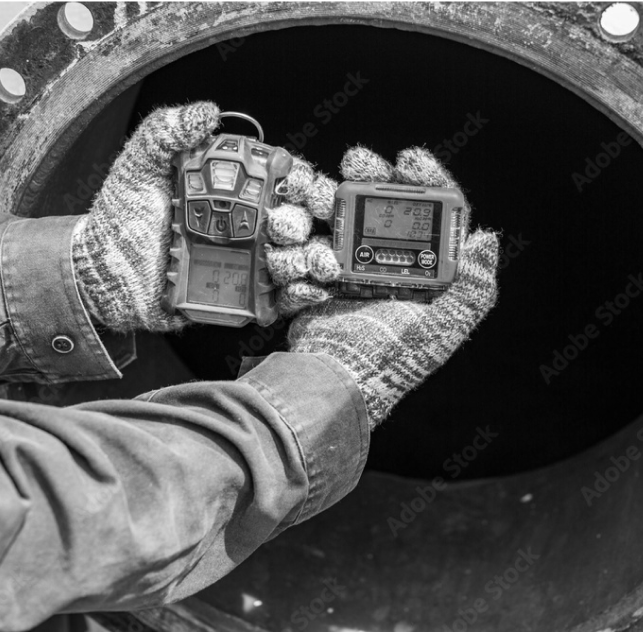
Commercial Radon Testing in California: What Building Owners Need to Know

Commercial radon testing in California is the process of measuring indoor concentrations of radon gas—a naturally occurring, radioactive soil gas—within non-residential structures to ensure occupant safety and regulatory alignment. While California does not currently mandate universal testing for all commercial assets, specific sectors such as multi-family housing (HUD-financed), schools, and

Read More »

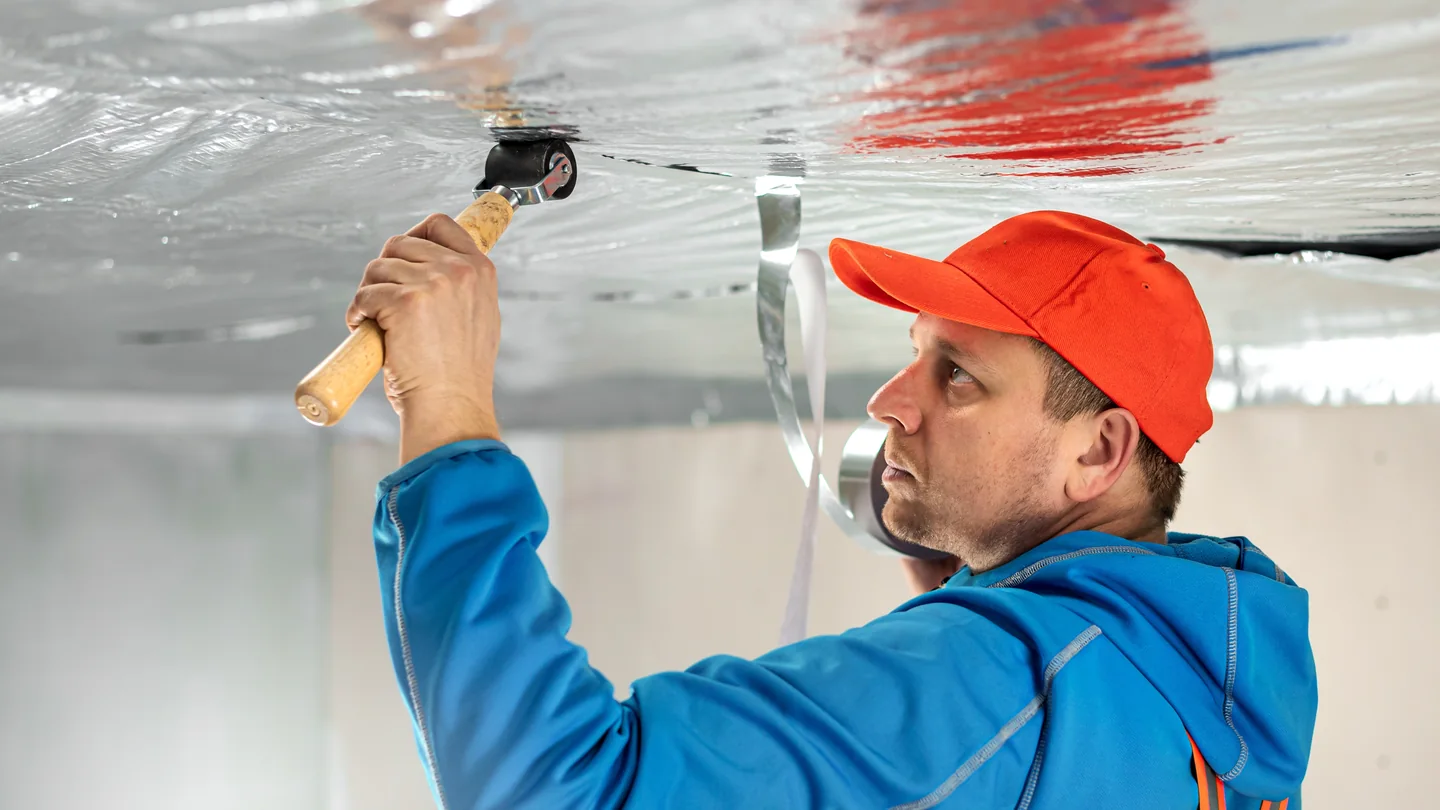
Commercial Radon Mitigation Systems Explained: Design, Installation & Cost

Commercial radon mitigation relies on the physics of soil gas pressure management to protect building occupants from hazardous indoor air quality. In large-scale structures, the primary method for remediation is sub-slab depressurization, as required by commercial California standards, which involves creating a vacuum beneath the building slab to intercept radon

Read More »