Vapor Intrusion Monitoring and Mitigation Services in Las Vegas

How Vapor Intrusion Affects Las Vegas Communities
Vapor intrusion occurs when gases from contaminated soil or groundwater migrate upward into buildings through foundations, cracks in slabs, or utility penetrations. These vapors can enter indoor air spaces where occupants may be exposed over time.
Common Las Vegas–Area Sources
Several site conditions common in redevelopment areas across Southern Nevada can contribute to vapor intrusion risks, including:
- Former industrial and manufacturing sites
- Landfills and historic waste disposal areas
- Fuel stations, dry cleaners, and legacy commercial properties
- Mining-related activities and infrastructure impacts associated with redevelopment zones
These conditions may leave behind contaminants in soil or groundwater that can generate vapors capable of migrating through subsurface pathways.
Primary Contaminants of Concern
The most common contaminants associated with vapor intrusion are volatile organic compounds (VOCs). These compounds may include petroleum hydrocarbons or chlorinated solvents commonly used in industrial and commercial activities.
When VOC vapors accumulate indoors, they can affect air quality and pose health risks over time.
Health and Safety Risks
Vapor intrusion can affect both construction workers and building occupants. Exposure to certain contaminants may contribute to indoor air quality degradation and long-term health concerns, including respiratory issues or neurological effects. Construction crews may also face increased exposure risks during excavation, renovation, or foundation work on impacted sites.
Project and Stakeholder Impacts
Beyond health considerations, vapor intrusion can also affect project timelines and regulatory approvals. If vapor risks are discovered late in the development process, projects may require redesign, additional mitigation measures, or environmental review.
These issues can create delays, increase project costs, and complicate real estate transactions. Effective vapor intrusion management helps maintain compliance while protecting the reputation of developers and property owners within the surrounding community.
When to Test for Vapor Intrusion in Las Vegas
Testing for vapor intrusion is typically conducted at key stages throughout the lifecycle of a development project.
Pre-Construction
Vapor intrusion testing is often performed during early environmental due diligence, particularly for brownfield redevelopment sites or properties with known contamination or historical industrial use. Early investigation allows project teams to identify potential vapor risks and incorporate mitigation strategies into site design.
Excavation & Foundation Work
Excavation, grading, and subsurface construction can disturb soils and release trapped vapors. Monitoring during these phases helps protect construction workers and allows teams to respond quickly if vapor concentrations change.
Post-Construction
After construction is completed, testing may be conducted to verify indoor air quality and confirm that installed mitigation systems are functioning as designed before buildings are occupied.
Near Sensitive Receptors
Projects located near sensitive environments often require additional scrutiny. Schools, childcare facilities, healthcare campuses, residential neighborhoods, and mixed-use developments may require more detailed vapor intrusion evaluation and monitoring.
Regulatory or Oversight Triggers
Environmental oversight requirements may also prompt vapor intrusion testing. Local jurisdictions, lenders, or environmental consultants may request vapor intrusion investigations as part of redevelopment approvals or environmental risk assessments. Oversight may involve coordination with the Nevada Division of Environmental Protection (NDEP) or federal programs where applicable.
Early testing reduces uncertainty and allows mitigation measures to be incorporated into project planning before construction progresses too far.
Environments Where Vapor Risk Must Be Controlled
Vapor intrusion is a concern in environments where indoor air quality and compliance directly impact occupancy. ACT supports projects where mitigation is required to manage long-term exposure risks, including brownfield redevelopment sites with known or suspected contamination.
Projects we support include:
- Industrial and logistics facilities with contamination concerns
- Commercial and residential redevelopment sites
- Hospitality and mixed-use properties with high occupancy
- Laboratory, pharmaceutical, and controlled environments
- Municipal, education, and healthcare buildings
We collaborate with developers and environmental teams to implement mitigation strategies that align with both construction and long-term performance.
Custom Mitigation System Design
When vapor intrusion risks are identified, ACT designs mitigation systems tailored to the specific conditions of each site. These systems may include vapor barrier membrane installations, sub-slab depressurization systems, and passive or active venting strategies.
Designs are adapted to conditions commonly encountered in the Las Vegas region, including arid soils, caliche layers, extreme construction temperatures, and the complex constraints often associated with redevelopment projects.
Regulatory Support
ACT assists clients with environmental compliance and documentation associated with vapor intrusion mitigation. Our team coordinates with regulatory agencies, including the Nevada Division of Environmental Protection (NDEP), and supports permitting, reporting, and environmental documentation required for redevelopment projects.
Long-Term Operations & Maintenance
After installation, mitigation systems require ongoing monitoring and maintenance to ensure continued performance. ACT provides long-term support, including sensor calibration, system inspections, performance verification, and data management. These services help property owners maintain compliance while protecting building occupants over time.
How ACT Can Help You
Advanced Construction Technologies provides comprehensive vapor intrusion services through a fully integrated design–build–monitor approach. Our goal is to help project teams identify vapor risks early and implement mitigation strategies that protect construction schedules, regulatory compliance, and occupant safety.
Telemetry Monitoring
ACT deploys advanced telemetry monitoring systems that continuously detect vapor concentrations in soil gas or indoor environments. These systems provide real-time reporting dashboards, automated alerts, and continuous data logging, improving visibility into site conditions during both construction and long-term building occupancy.
Environmental Assessments
Our team conducts environmental investigations to identify and characterize vapor intrusion risks before construction begins. Services may include Phase I Environmental Site Assessments (ESA) and Phase II ESA soil gas investigations, helping project teams understand contamination conditions and plan mitigation strategies accordingly.

National Expertise in
Vapor Mitigation and Monitoring
Advanced Construction Technologies is part of the FullTerra network, a national group of environmental specialists focused on vapor mitigation, soil gas control, and long-term monitoring solutions.
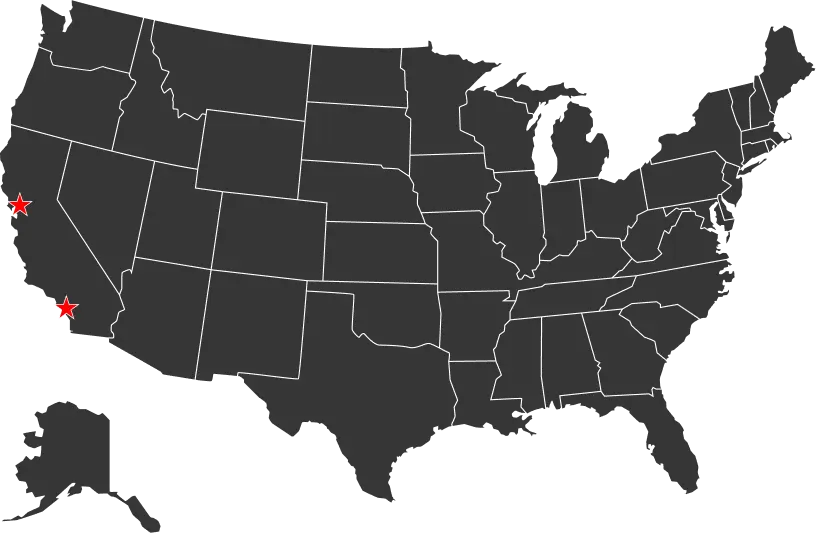
Through this partnership, ACT brings experience from projects completed in more than 25 states. Our team applies proven mitigation strategies and monitoring approaches to help manage vapor intrusion risks across complex redevelopment sites.



Local Experience Across Southern Nevada Projects
ACT supports vapor intrusion projects throughout Las Vegas, Henderson, and the greater Clark County area, while also working across the Southwest, including Colorado, Utah, New Mexico, Arizona, and Nevada.
We collaborate with developers, engineers, and environmental consultants on both single-site developments and multi-state portfolios, delivering consistent vapor mitigation strategies that align with local requirements and broader project goals.
Control Vapor Risks Before They Affect Occupancy
Vapor intrusion can impact indoor air quality, delay approvals, and create long-term liability if not properly addressed. Subsurface contamination, building design, and site conditions all influence how vapors migrate into structures.
ACT helps project teams identify these risks early and implement mitigation systems that support compliance and protect occupants over time. With the right approach in place, projects can move forward without added uncertainty or disruption.

Complex sites require sophisticated solutions.
Join developers and property owners nationwide who trust us with their most challenging environmental projects.