Keep Your Community Safe With Methane Mitigation Systems
How Methane Impacts the Community
Methane is a colorless, odorless, and highly flammable gas commonly found in landfills, former industrial sites, and areas with organic-rich soils. While not toxic like some chemical vapors, methane poses serious explosion and asphyxiation risks when it accumulates in confined spaces.
In urban infill projects or developments on reclaimed land, methane migration through soil can endanger both construction crews and future occupants. Without proper mitigation, it can also trigger permit denials, failed inspections, or even emergency shutdowns.
When to Test for Methane
Testing and mitigation should be considered in these situations:
Pre-Construction Due Diligence: Particularly on or near former landfills, swamps, or oil fields.
As Part of a Phase II ESA: When previous site use or soil gas data indicates elevated methane.
During Site Grading and Excavation: Disturbing subsoil layers can release trapped methane.
Where Local Regulations Require It: Many municipalities (especially in California and the Southwest U.S.) mandate methane mitigation plans before development proceeds.
Early testing helps avoid costly redesigns and delays later in the project.
Who We Serve
Aerospace & Defense
Industrial, Pharmaceutical & Logistics Facilities
New Residential Construction & Commercial Redevelopment
Municipalities, Universities, Schools, and Hospitals
Contact Advanced Construction Technologies
Don’t let methane jeopardize your next construction project. Contact our team today for methane testing, mitigation design, and installation, or regulatory consulting.
Advanced Construction Technologies offers turnkey methane mitigation services designed for efficiency, compliance, and long-term safety. Our offerings include:
Methane Monitoring and Testing: Soil gas surveys and perimeter testing using certified instruments.
Custom Mitigation Systems: Including passive and active venting systems, methane barriers, and sub-slab ventilation.
Regulatory Compliance Guidance: Navigating methane mitigation requirements with agencies such as the LA Department of Building and Safety (LADBS), DTSC, and more.
Engineering and Installation Support: Fully integrated with your site plans and construction timeline.
Post-Construction Validation: Ongoing system performance verification and documentation.
We combine technical expertise, regulatory know-how, and advanced telemetry systems to keep your project safe, compliant, and on schedule.
Part of the FullTerra Family
ACT is a proud member of FullTerra, the nationwide leader in environmental mitigation services.
Together with our sister companies, we provide comprehensive design-build-monitor solutions that protect properties and people across all 50 states.
Our California roots have grown into nationwide reach
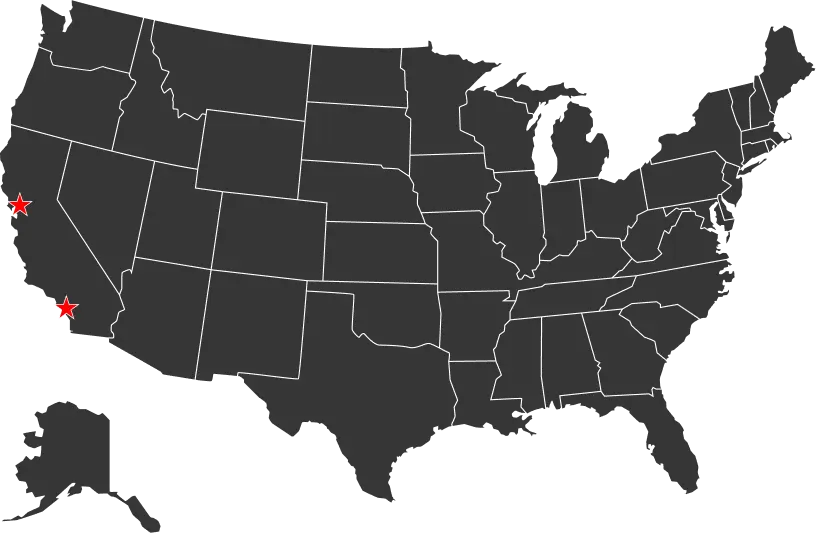
As the environmental industry has grown, so have we. We’ve successfully designed and installed soil, groundwater, and vapor mitigation systems in 25 states, including California, Utah, Colorado, Arizona, New Mexico, and Nevada.
Design / Installation Designed and installed systems across the nation
Offices Corporate HQ in Irvine, CA with an office in San Ramon, CA
Complex sites require sophisticated solutions.
Join developers and property owners nationwide who trust us with their most challenging environmental projects.