Vapor Intrusion Monitoring and Mitigation Services in Phoenix
Vapor intrusion presents significant health, safety, and compliance risks for redevelopment, construction, and occupied buildings throughout Phoenix and the surrounding metro area. Advanced Construction Technologies (ACT) provides comprehensive vapor intrusion monitoring and mitigation services designed to protect indoor air quality, support regulatory compliance, and reduce risk across all phases of a project’s lifecycle.
ACT supports developers, builders, engineers, and property owners working on complex sites where subsurface vapors may migrate into buildings, impacting construction activities, long-term occupancy, and community trust.
How Vapor Intrusion Affects Phoenix Communities
Vapor intrusion occurs when gases from contaminated soil or groundwater migrate upward and enter indoor air spaces through foundations, utility penetrations, and building materials. In Phoenix, vapor intrusion is most commonly associated with volatile organic compounds (VOCs), which can pose serious indoor air quality concerns if left unmanaged.
Vapors often contain volatile organic compounds (VOCs) that can cause health risks and regulatory violations. Uncontrolled vapor intrusion can delay projects, create liability, and harm community trust.
Common Phoenix-Area Vapor Intrusion Sources
Redevelopment and infill projects across Phoenix frequently encounter vapor intrusion risks tied to historical land use, including former industrial sites, landfills, and agricultural land, and legacy commercial or manufacturing properties. VOCs released from these sites can travel through soil and utility corridors, accumulating beneath or within buildings.
Unmitigated vapor intrusion can affect occupant health and safety, compromise indoor air quality, and expose project stakeholders to liability. From a development perspective, vapor intrusion issues can also lead to construction delays, redesigns, and loss of community or stakeholder confidence. As Phoenix continues to grow and redevelop, proactive vapor intrusion mitigation is essential to responsible site development.
When to Test for Vapor Intrusion in Phoenix
Early vapor intrusion testing helps identify subsurface vapor risks before they disrupt project schedules or occupancy. Proactive evaluation allows mitigation measures to be integrated efficiently into design and construction.
Pre-Construction
Testing is commonly recommended for brownfield sites and properties with prior industrial or agricultural use, where historical activities may have left VOC contamination in soil or groundwater.
Excavation & Foundation Work
Soil disturbance during excavation, grading, and foundation installation can release trapped vapors and alter migration pathways, increasing vapor intrusion potential during construction.
Post-Construction
Indoor air quality testing may be conducted following construction to confirm mitigation system performance and ensure safe occupancy conditions.
Near Sensitive Receptors
Sites located near schools, hospitals, or residential neighborhoods often require heightened scrutiny due to increased health sensitivity and public oversight.
Regulatory or Oversight Triggers
Vapor intrusion evaluation and mitigation may be required or encouraged by local jurisdictions, lenders, and regulatory agencies such as the Arizona Department of Environmental Quality (ADEQ). In some cases, review by the U.S. Environmental Protection Agency (EPA) may also apply. Early testing helps reduce risk, avoid redesigns, and maintain regulatory alignment.
Market Sectors We Serve
ACT provides vapor intrusion monitoring and mitigation services across Phoenix and Maricopa County, supporting industrial, manufacturing, and logistics facilities; commercial and residential redevelopment projects; aerospace, technology, and pharmaceutical developments; and municipal, educational, and healthcare facilities. Our experience spans both active construction sites and occupied buildings requiring long-term indoor air protection.
ACT delivers end-to-end vapor intrusion solutions through an integrated design-build-monitor approach that addresses risk from initial assessment through long-term performance.
Telemetry Monitoring
We deploy telemetry systems that provide continuous vapor detection, real-time reporting, and automated alerts—offering immediate visibility into changing subsurface and indoor air conditions.
Environmental Assessments
ACT supports vapor intrusion evaluations through Phase I and Phase II Environmental Site Assessments, helping identify vapor risks early and inform mitigation planning.
Custom Mitigation System Design
Our team designs and installs site-specific mitigation systems, including vapor barriers, sub-slab ventilation, and both passive and active venting systems. Designs are tailored to Arizona soil conditions, hot-weather construction challenges, and legacy site constraints.
Regulatory Support
ACT assists with ADEQ coordination, local permitting, reporting, and compliance documentation, as well as alignment with applicable federal guidance when required.
Long-Term Operations & Maintenance
We provide ongoing system calibration, data management, and performance support to ensure mitigation systems continue operating effectively throughout building occupancy.
Part of the FullTerra Family
ACT is a proud member of FullTerra, the nationwide leader in environmental mitigation services.
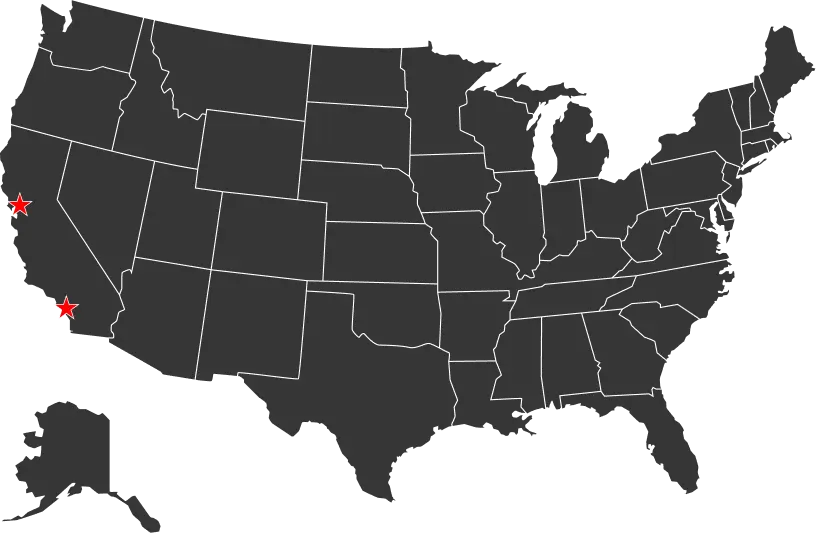
Alongside our sister companies, we deliver design-build-monitor solutions that safeguard properties and people across all 50 states.
Arizona Expertise, Nationwide Reach
From LoDo to Lakewood, Aurora to Arvada, ACT’s engineers install and maintain vapor intrusion systems across Colorado and the Mountain West.
ACT supports vapor intrusion projects throughout the Phoenix metro area, including Tempe, Mesa, and Chandler. With extensive experience across Arizona and the Southwest, ACT also provides multi-state and national project support.
Complex Challenges Require Advanced Solutions.
Vapor intrusion risks require experienced partners who understand environmental regulations, construction realities, and long-term indoor air protection. ACT is a trusted vapor intrusion monitoring and methane mitigation partner for Phoenix-area projects, helping clients protect safety, maintain compliance, and move forward with confidence.