
Retrofit projects, by their very nature, introduce a distinct set of vapor intrusion challenges compared to new construction. While new builds allow for proactive, integrated mitigation strategies from the ground up, existing structures present complexities such as inaccessible substructures, unknown building histories, and operational constraints. Effectively addressing these retrofit vapor intrusion challenges demands a sophisticated, data-driven approach, often requiring precision-engineered solutions tailored to the unique conditions of each site.
The Inherent Complexities of Retrofit Vapor Intrusion Mitigation
Mitigating vapor intrusion in an existing building is rarely a straightforward task. The “unknowns” often outweigh the “knowns,” necessitating a meticulous investigation phase and adaptable engineering solutions. Unlike greenfield developments, where a clean slate allows for optimal system design and installation, retrofit projects must contend with the legacy of a building’s construction and use.
Unraveling Building History and Subsurface Conditions
One of the primary hurdles in existing structures is the lack of comprehensive documentation regarding original construction, prior renovations, and historical site uses. This can obscure critical details such as:
- Foundation Type and Condition: The type of foundation (slab-on-grade, crawl space, basement), its structural integrity, and the presence of cracks, utility penetrations, or previous waterproofing efforts significantly impact vapor pathways.
- Utility Corridors and Penetrations: Existing utility lines (water, sewer, electrical, gas) create numerous potential conduits for vapor migration into indoor air. Locating and sealing these pathways can be particularly challenging in occupied buildings.
- Past Remediation Efforts: Previous attempts at environmental remediation or vapor mitigation may have been incomplete or undocumented, leading to residual contamination or compromised barriers.
- Unknown Contaminant Plumes: The exact nature, extent, and migration patterns of subsurface contaminant plumes can be harder to characterize without intrusive investigations that may disrupt building operations.
Data-driven site assessments, often employing advanced soil gas surveys and building envelope diagnostics, are crucial for accurately mapping contaminant sources and preferential pathways within these complex environments.
Operational Constraints and Occupant Disruption
Retrofit projects typically involve occupied buildings, introducing significant operational and logistical constraints that influence mitigation design and implementation.
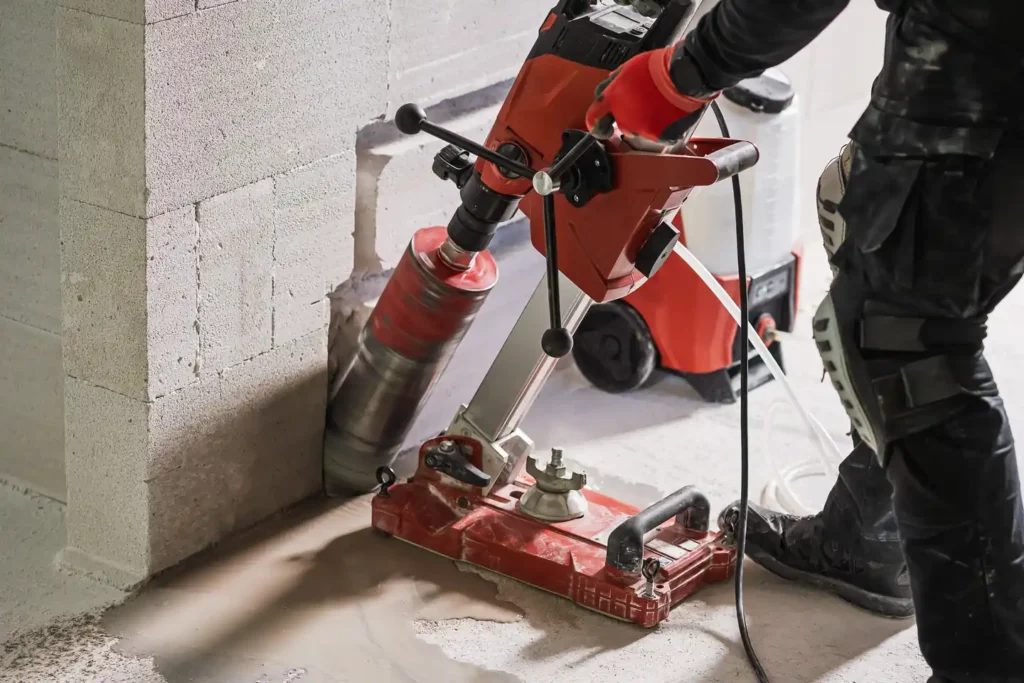
- Limited Access: Working around existing infrastructure, equipment, and active operations restricts access to critical areas, such as under-slab spaces or wall cavities. This can complicate the installation of sub-slab depressurization (SSD) systems, vapor barriers, or ventilation systems.
- Minimizing Downtime: Project schedules are often dictated by the need to maintain business continuity. Mitigation strategies must be designed for efficient installation with minimal disruption to occupants, production, or services. This often necessitates phased approaches or off-hours work.
- Aesthetics and Structural Integration: Mitigation components, such as exhaust piping or monitoring equipment, must be integrated seamlessly into the existing building’s aesthetics and structural elements, often requiring creative engineering solutions to maintain architectural integrity.
- Safety Protocols: Working in active environments demands stringent safety protocols to protect both workers and building occupants from construction hazards and potential exposure to contaminants.
Precision-Engineered Solutions for Retrofit Challenges
Addressing these unique retrofit vapor intrusion challenges requires more than just standard mitigation techniques; it demands precision-engineered solutions backed by regulatory fluency and battle-tested expertise.
Tailored Sub-Slab Depressurization (SSD) Systems
For existing buildings, a one-size-fits-all approach to SSD is rarely effective. Engineers must design systems that account for:
- Slab Integrity and Permeability: Advanced diagnostics, including pressure field extension testing, are used to understand the slab’s condition and inform the optimal number and placement of suction points.
- Foundation Obstructions: Creative routing of piping and fan placement is often necessary to navigate existing utilities, structural elements, and occupied spaces. This can involve horizontal boring, trenching, or integrating components into unutilized areas.
- HVAC Integration: Careful consideration of the building’s existing HVAC system is essential to prevent unintended pressure differentials that could exacerbate vapor intrusion or compromise the effectiveness of the SSD system.
Advanced Vapor Barriers and Coatings
While installing new monolithic vapor barriers under an existing slab is often impractical, targeted application of advanced materials can provide effective solutions:
- Surface-Applied Coatings: High-performance, chemically resistant epoxy or polymer coatings can be applied directly to existing concrete slabs to create a robust vapor barrier, particularly effective in areas with known vapor intrusion or as a component of a multi-layer defense.
- Sealants and Grout Injections: Precision sealing of cracks, control joints, and utility penetrations with specialized sealants or expansive grouts is critical to eliminate preferential pathways for vapor entry.
- Hybrid Systems: Combining targeted SSD with localized vapor barriers and meticulous crack sealing often yields the most effective and efficient solution for complex retrofit scenarios.
Continuous Monitoring and Data-Driven Optimization
Given the inherent uncertainties of existing structures, implementing continuous real-time monitoring systems is paramount. These systems provide:
- Performance Verification: Real-time data on sub-slab pressure fields and indoor air quality confirms the ongoing effectiveness of the mitigation system.
- Proactive Issue Detection: Early identification of system malfunctions, pressure imbalances, or unexpected vapor spikes allows for timely intervention and optimization.
- Regulatory Compliance: Continuous monitoring provides data-backed evidence of compliance with regulatory standards, offering assurance to stakeholders and authorities.
The successful navigation of retrofit vapor intrusion challenges hinges on a deep understanding of building science, environmental engineering principles, and regulatory requirements. It necessitates a collaborative approach, leveraging experienced professionals who can deliver PE-stamped, precision-engineered solutions that are both effective and minimally disruptive to existing operations.