
Maintaining a vapor mitigation system isn’t merely a recommendation; it’s a critical component of ensuring long-term environmental protection and regulatory compliance for your property. Regular inspection, diligent monitoring, and proactive upkeep are paramount to guaranteeing the system’s continued efficacy, protecting occupants from harmful subsurface vapor intrusion, and safeguarding your investment. This guide outlines the essential practices building owners and facility managers need to implement for robust system performance.
Understanding the “Why” Behind Vapor Mitigation System Maintenance
The initial design and installation of a vapor mitigation system are precision-engineered to address specific site conditions, often involving volatile organic compounds (VOCs) or methane. However, these systems operate within dynamic environments. Foundations can settle, mechanical components can wear, and even the very soil conditions they’re mitigating can shift over time. Without consistent oversight, what was once a PE-stamped, highly effective solution can subtly degrade, leading to compromised performance.
Regulatory Mandates and Liability: Beyond operational efficacy, regulatory bodies across numerous states often mandate ongoing monitoring and maintenance protocols for vapor mitigation systems. Non-compliance can lead to significant financial penalties, legal liabilities, and reputational damage. From EPA guidelines to state-specific environmental protection agencies, the expectation is clear: if you have a system, you are responsible for its continued function. Our regulatory expertise across 25 states confirms this consistent emphasis on sustained performance.
Protecting Your Investment and Occupants: A properly functioning system protects building occupants from potential health risks associated with vapor intrusion. It also preserves the long-term value of your property, particularly for brownfield redevelopment sites where mitigation is foundational to occupancy permits and property valuation. Neglecting maintenance risks system failure, potentially necessitating costly repairs or, in severe cases, complete system redesign and reinstallation—a far more significant expenditure than routine upkeep.
Key Components of a Robust Maintenance Program
A comprehensive vapor mitigation system maintenance program encompasses several critical elements, each contributing to the system’s overall reliability and performance.
Regular Visual Inspections
Visual inspections are the first line of defense and should be conducted routinely by facility staff or a qualified professional. These inspections don’t require specialized equipment but offer invaluable insights into the system’s physical integrity.
- System Integrity: Examine all visible components—piping, penetrations, membranes (if accessible), and fan housings—for signs of damage, cracks, corrosion, or dislodgement. Look for any evidence of tampering or unauthorized modifications.
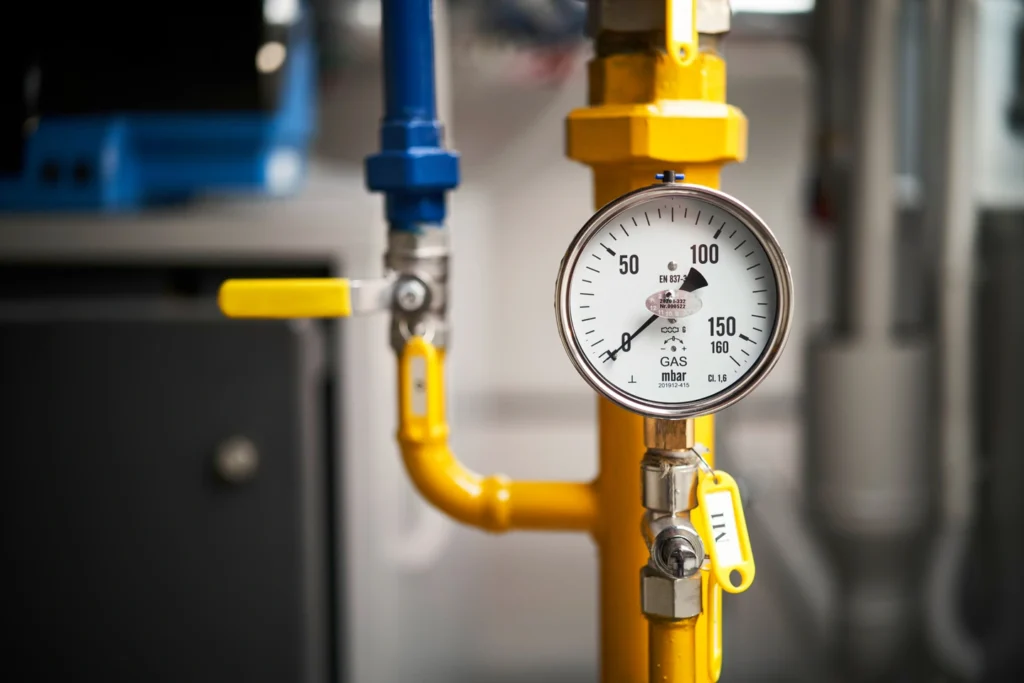
- Pressure Gauges/Manometers: Observe any installed pressure gauges or manometers. These devices provide a quick visual indication of differential pressure, confirming that the system is actively drawing soil gas as designed. Significant deviations from baseline readings warrant further investigation.
- Exhaust Vents: Ensure exhaust vents are clear of obstructions (e.g., debris, vegetation, bird nests) and that discharge points meet required setback distances from windows, doors, and air intakes.
- Alarms and Indicators: Check any installed alarm systems or warning lights to ensure they are functional and not indicating a fault.
Performance Monitoring and Data Collection
Beyond visual checks, data-driven performance monitoring is essential. This often involves specialized equipment and expertise to quantify system efficacy.
- Sub-Slab Pressure Field Extension (PFE) Testing: Periodically, professionals should conduct PFE testing to confirm that the vacuum created by the mitigation fan extends adequately beneath the entire building footprint. This involves taking pressure readings at various points to verify the system’s capture zone.
- Vapor or Gas Concentration Monitoring: For sites with known contaminants, periodic indoor air or sub-slab soil gas sampling may be required to confirm that the mitigation system is effectively preventing vapor intrusion. This data provides concrete evidence of performance and compliance.
- Fan Operation and Performance: Verify that the mitigation fan is operating within its specified parameters (e.g., airflow, static pressure, amperage draw). Fans are the heart of active systems and their proper function is non-negotiable.
- Real-Time Monitoring Systems: For enhanced oversight, consider real-time monitoring solutions. These systems continuously collect data on fan operation, pressure differentials, and potentially even gas concentrations, providing immediate alerts for any deviations. This data is invaluable for pattern recognition and proactive intervention.
Routine Servicing and Preventative Measures
Preventative maintenance extends the lifespan of components and averts costly failures.
- Fan Maintenance: Follow manufacturer recommendations for fan servicing, which may include cleaning impellers, checking motor bearings, and ensuring proper electrical connections.
- Seal and Gasket Checks: Over time, seals and gaskets can degrade. Inspect and replace them as needed to prevent air leakage, which can compromise sub-slab depressurization.
- Drainage System Checks: Some systems incorporate sumps or drainage lines. Ensure these are clear and functioning correctly to prevent water accumulation that could impede vapor flow.
- Software and Firmware Updates: For systems with digital controls or real-time monitoring, ensure that software and firmware are kept up-to-date to maintain optimal performance and security.
Regulatory Compliance and Documentation
Meticulous record-keeping is not just good practice; it’s often a regulatory requirement. Maintain a comprehensive log of all inspections, monitoring data, maintenance activities, and any system modifications. This documentation forms a vital audit trail, demonstrating due diligence and compliance.
- Maintenance Logs: Detail every inspection, service, and repair, including dates, personnel involved, observations, and actions taken.
- Monitoring Reports: Keep all sub-slab pressure data, indoor air quality reports, and fan performance logs.
- Permits and Approvals: Ensure all necessary operating permits are current and that any system modifications have received regulatory approval.
When to Call the Experts
While routine visual checks can be performed by trained facility staff, the more technical aspects of vapor mitigation system maintenance and monitoring demand specialized expertise. Licensed PEs and environmental professionals possess the in-depth knowledge of system hydraulics, contaminant behavior, and regulatory frameworks required for accurate assessment and effective remediation. Their battle-tested expertise ensures that any issues are diagnosed correctly and resolved with precision-engineered solutions.
For complex diagnostics, PFE testing, specialized sampling, or significant repairs, engaging a firm with extensive experience in environmental mitigation is crucial. Their in-house R\&D capabilities and data-driven approach ensure that your system continues to meet the highest standards of environmental protection and regulatory compliance.