

Methane Mitigation Systems for Redevelopment & Construction in Las Vegas
The Hazards of Methane Gas
Methane is a colorless, odorless, and highly flammable gas that can migrate through soil and accumulate in confined spaces. Because it has no detectable odor and can travel through subsurface pathways, methane may build up beneath structures or within underground utilities without warning.
Primary Risks
While methane is not toxic like many chemical vapors, it presents serious hazards when concentrations accumulate:
- Explosion and fire risks in confined or enclosed structures
- Oxygen displacement can create dangerous indoor air conditions
- Migration into buildings, crawl spaces, and underground infrastructure
These hazards make methane mitigation an essential part of environmental due diligence and construction planning.
Typical Methane Sources in the Las Vegas Area
Methane generation and migration can occur in several site conditions common across Southern Nevada, including:
- Former landfills and closed waste disposal facilities
- Historic mining and industrial operations
- Wastewater infrastructure and utility corridors
- Organic-rich soils and imported fill materials that are used in redevelopment
As redevelopment continues across the Las Vegas Valley, construction teams increasingly encounter sites that require methane monitoring and mitigation.
Construction and Occupancy Risks
Construction activity itself can increase methane exposure risks. Excavation, grading, and trenching can disturb subsurface layers and release trapped methane gas. These disturbances may also create new pathways that allow gas to migrate toward structures or underground utilities.
Methane intrusion can occur through building foundations, slab penetrations, utility conduits, or other subsurface openings. Without proper mitigation systems in place, methane accumulation can endanger construction crews during development and create long-term safety risks for future building occupants.
When to Test for Methane in Las Vegas
Early methane testing is often a critical part of the development process. Identifying soil gas conditions early helps project teams design appropriate mitigation strategies and avoid costly construction delays.
Pre-Construction Due Diligence
Methane testing should be considered during site investigation, particularly for properties located near:
- Former landfills or waste transfer stations
- Historic industrial operations
- Redevelopment sites with imported fill or disturbed soils
Infill redevelopment projects throughout Las Vegas frequently require methane evaluation before construction can proceed.
Phase II Environmental Site Assessment (ESA)
Methane investigations are commonly performed as part of a Phase II Environmental Site Assessment. Soil gas testing can identify methane presence and concentration levels, providing critical data for mitigation system design and construction planning.
Site Grading and Excavation
Construction activities such as grading, trenching, and foundation work can release methane trapped beneath the surface. Monitoring during earthwork can help protect crews and identify conditions that require mitigation measures.
Regulatory or Lender Requirements
Environmental oversight and risk management requirements may also trigger methane testing. Regulatory agencies, local jurisdictions, and project lenders may require methane investigations before approving development plans or construction permits.
In Southern Nevada, oversight may involve coordination with the Nevada Division of Environmental Protection (NDEP) as well as Clark County or municipal building departments. Lenders and environmental risk consultants may also require methane assessments as part of project financing and due diligence. Early testing helps prevent redesigns, permit complications, and schedule disruptions later in the construction process.
Industries Where Methane Risk Requires Action
Methane migration is most common on sites with disturbed soils, historic land use, or subsurface gas pathways. ACT supports projects where safety and structural protection depend on proper mitigation, including brownfield redevelopment sites with known or potential gas risks.
Projects we support include:
- Industrial and logistics sites with large building footprints
- Commercial and mixed-use developments on redevelopment land
- Residential and multifamily communities requiring long-term safety
- Hospitality and gaming properties with complex subsurface conditions
- Municipal, education, and healthcare facilities with strict safety standards
We coordinate with developers, engineers, and contractors to integrate mitigation systems without slowing construction.
Full Project Lifecycle Support
Our services extend beyond system design to support the entire construction process.
Project support includes:
- Engineering and system installation
- Coordination with general contractors and trades
- Post-installation testing and validation
- Long-term monitoring and system maintenance
Projects requiring continuous monitoring may also incorporate advanced gas monitoring and telemetry systems for ongoing performance verification.
How We Can Help You
Advanced Construction Technologies is a specialized environmental contractor providing turnkey methane mitigation solutions for construction teams and property owners. Our services are designed to keep projects compliant, safe, and on schedule.
Methane Monitoring and Soil Gas Testing
We perform soil gas surveys and methane monitoring using certified instrumentation to identify potential hazards and guide system design.
Custom Methane Mitigation System Design
ACT engineers design mitigation systems tailored to the conditions of each site. Systems may include:
- Active venting systems
- Passive venting systems
- Methane barrier membranes
- Sub-slab depressurization and ventilation systems
In some projects, mitigation systems may also integrate with broader soil gas protection strategies such as those used for vapor intrusion control.
Design Considerations for Las Vegas
Environmental conditions in Southern Nevada require specialized design considerations, including arid soils and caliche layers that influence gas movement, extreme heat conditions that can affect materials and construction schedules, and vapor migration patterns associated with dense urban redevelopment.
Regulatory Coordination
ACT works closely with project teams, environmental consultants, and regulators to ensure methane mitigation systems meet applicable requirements. This may include coordination with the Nevada Division of Environmental Protection (NDEP), Clark County, and local jurisdictions, as well as adherence to relevant federal guidance and industry standards.
Our experience navigating environmental regulations helps streamline permitting, documentation, and compliance throughout the construction process.

Built on Proven Environmental Mitigation Experience
Advanced Construction Technologies operates as part of the FullTerra network, a national group of environmental specialists delivering mitigation systems across a wide range of construction and redevelopment projects.
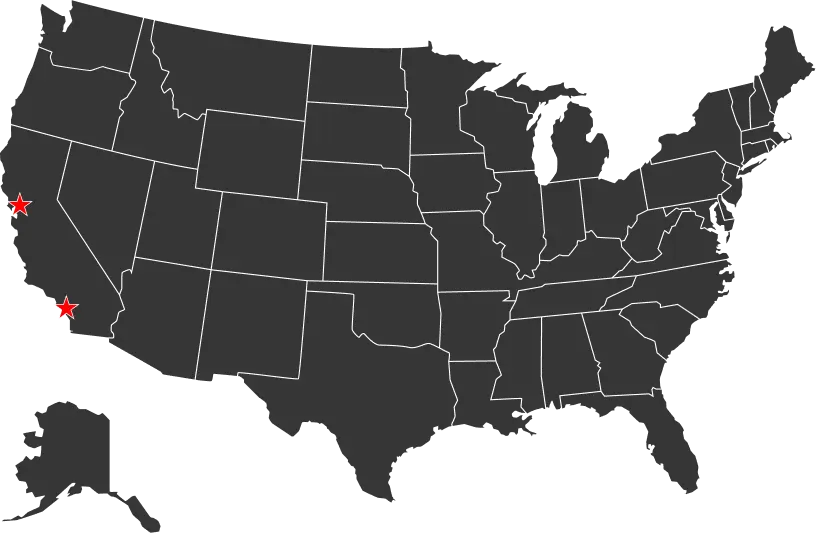
Through this partnership, ACT brings methane mitigation experience from projects completed in more than 25 states. Our team applies proven system designs, consistent engineering standards, and field-tested strategies to help manage methane risks across complex site conditions.



Supporting Projects Across Las Vegas and the Southwest
ACT supports methane mitigation projects throughout Las Vegas, Henderson, and the greater Clark County area, while also working across the Southwest region, including Colorado, Utah, New Mexico, Arizona, and Nevada.
We regularly collaborate with developers, engineers, and environmental consultants managing projects across multiple states, delivering a consistent approach to methane risk management regardless of location. This allows teams to move forward with clarity, whether addressing a single site or coordinating across a broader portfolio.
Address Methane Risks Before They Impact Your Project
Methane gas migration can introduce serious safety concerns and disrupt construction timelines if not addressed early. Subsurface conditions, regulatory requirements, and site-specific variables all influence how methane behaves beneath and around structures.
ACT provides mitigation systems designed to control these risks before they escalate, helping protect crews during construction and ensuring safe conditions for long-term occupancy. Early planning and proper system design can prevent delays, reduce liability, and keep your project moving forward without unexpected setbacks.

Complex sites require sophisticated solutions.
Join developers and property owners nationwide who trust us with their most challenging environmental projects.